In many parts of Ethiopia, women’s development often begins with a small step. A young woman receives a microloan, starts a small business, and for a time, her situation improves. She earns her own income, contributes to her household, and begins to feel a sense of independence. But when conditions change such as rising prices, or a struggling economy, her business becomes harder to sustain. Within months, what took her years to build can disappear.
This story reflects a broader pattern. Across Ethiopia, efforts to support women through aid programs and small-scale entrepreneurship have led to visible, short-term gains: more girls in school, fewer early marriages, and more women participating in income-generating activities.
Yet when external support weakens or economic shocks occur, that progress can quickly unravel. Small businesses collapse under pressure. What once appeared to be lasting change reveals itself to be fragile and easily reversed. This repeating cycle raises a difficult but necessary question: why does progress for so many women depend on conditions that are so uncertain?
1. Limitations of Aid and Microloans
Across Ethiopia, microfinance and aid programs have been widely promoted as key tools for empowering women economically. By providing small loans and financial access to those excluded from traditional banking systems, these initiatives have enabled many women to start businesses and generate income for the first time. In this sense, they have played an important role in expanding opportunity and participation.
However, their impact is often limited in scale and sustainability. Most microloans are too small to support meaningful business growth, which means that women are often confined to low-investment activities such as small trading or informal retail. These sectors are typically overcrowded, offer low returns, and provide little opportunity for expansion. Research, including studies by the World Bank, shows that while such loans can increase short-term income, they rarely help businesses grow into larger, more stable enterprises. As a result, many women remain stuck at a subsistence level, working hard but unable to significantly improve their long-term economic position.
Social norms may also discourage risk-taking or expansion into male-dominated sectors. Even programs designed to support women entrepreneurs, such as those under the Women Entrepreneurship Development Project, often encounter what researchers call the “missing middle”—a gap where businesses are too large for microfinance but too small to access formal financing. This leaves many promising enterprises unable to scale.
2. Historical Precedent: Why Industries Matter
To understand what kind of economic change leads to lasting impact, it is useful to look at history. During the Industrial Revolution, the textile industry became one of the first large-scale employers of women. Before this period, much of women’s work, such as spinning and weaving, was done at home and often unpaid or poorly compensated. The rise of factories shifted this dynamic by bringing women into formal workplaces where they earned regular wages for their labor.
For the first time, large numbers of women had access to independent income outside the household. What made the textile industry particularly important was its accessibility. Unlike more advanced industries, it required relatively low levels of skill at entry and could absorb large numbers of workers quickly. This made it an effective starting point for countries transitioning from agrarian economies to industrial ones. Over time, as economies grew and technologies advanced, these early industries helped lay the foundation for more complex sectors.
3. Asian Success Models: From Textiles to Transformation
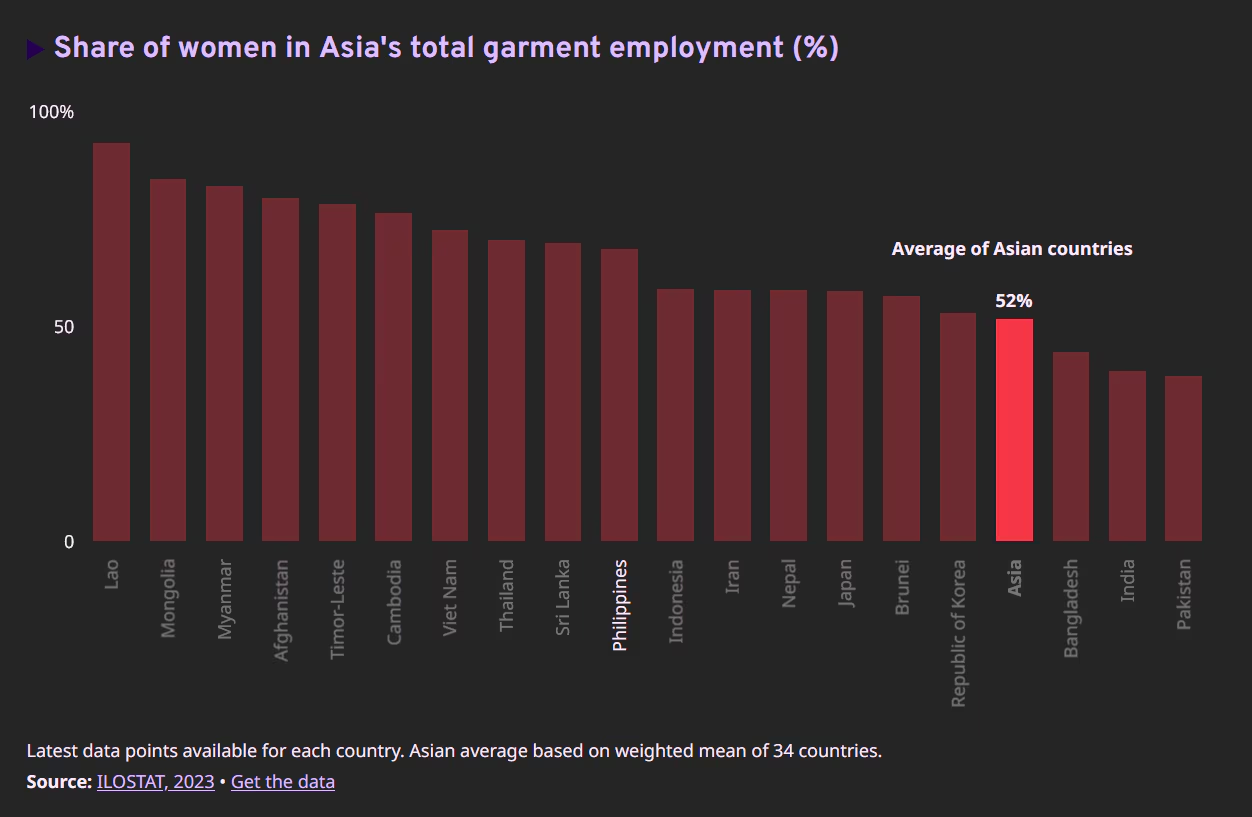
The role that textiles once played in Europe can be seen decades later in parts of Asia, where countries have used the garment industry as a starting point for broader economic growth. In countries such as Bangladesh and Vietnam, the expansion of textile and garment manufacturing created millions of jobs, many of which were filled by women, particularly from rural and low-income backgrounds.
For many, factory jobs provided a steady income for the first time, allowing them to support their families, delay early marriage, and invest in education. While wages were often low and working conditions not always ideal, the shift from unpaid or informal work to regular, wage-based employment marked a significant change in women’s economic roles and social status.
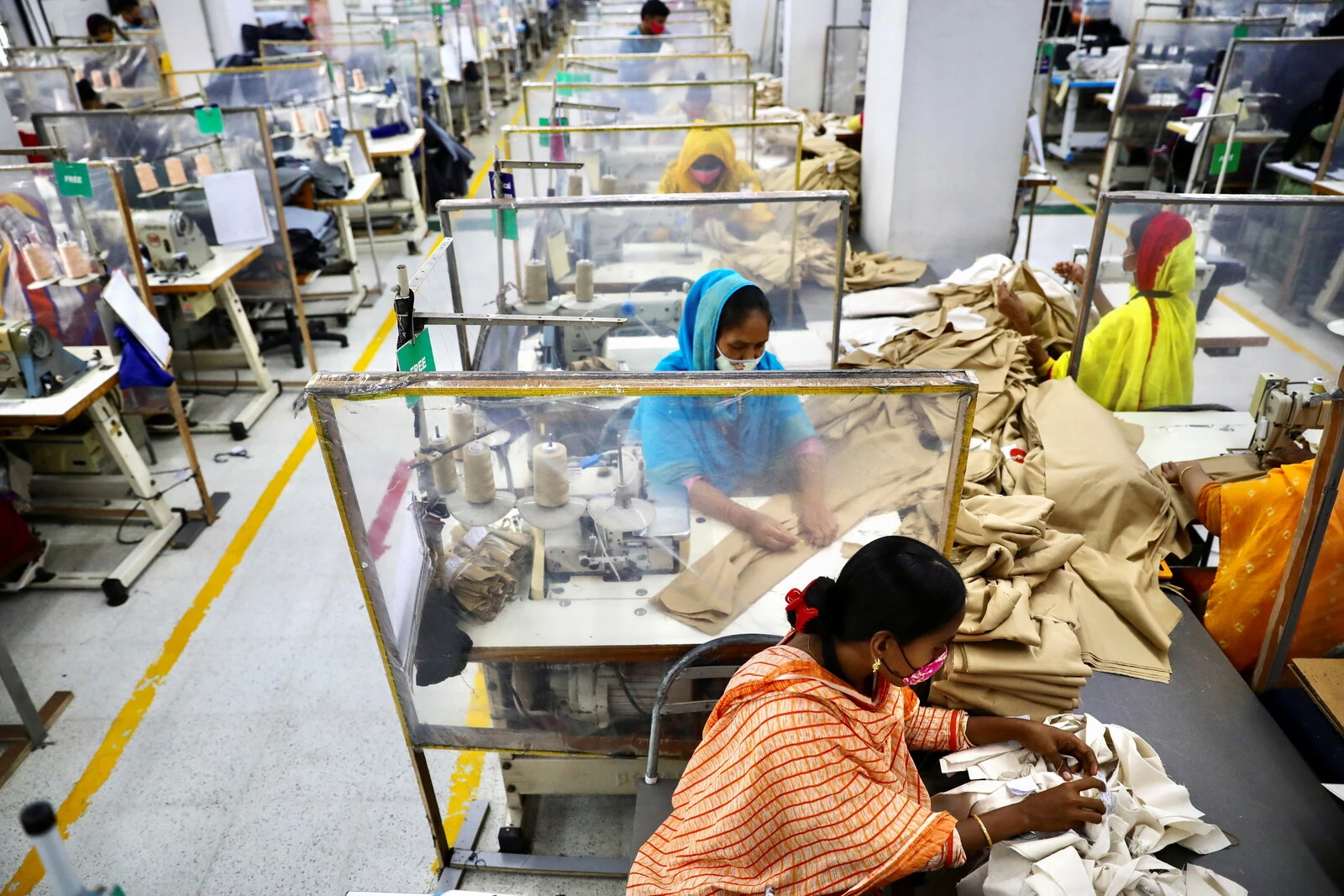
Vietnam took a similar path but went further. It used manufacturing as a stepping stone, starting with textiles, then moving into more advanced industries like electronics. The key was not the sector itself, but the progression. What these countries understood is that scale matters. A thousand small businesses cannot do what one strong industry can—create jobs, build skills, and connect a country to global markets.
4. Ethiopia’s Textile Potential: Promise and Reality
Ethiopia is already trying this approach.
Industrial parks such as Hawassa Industrial Park and Bole Lemi Industrial Park have brought in global companies like H&M. Thousands of jobs have been created, and most of them are filled by young women.
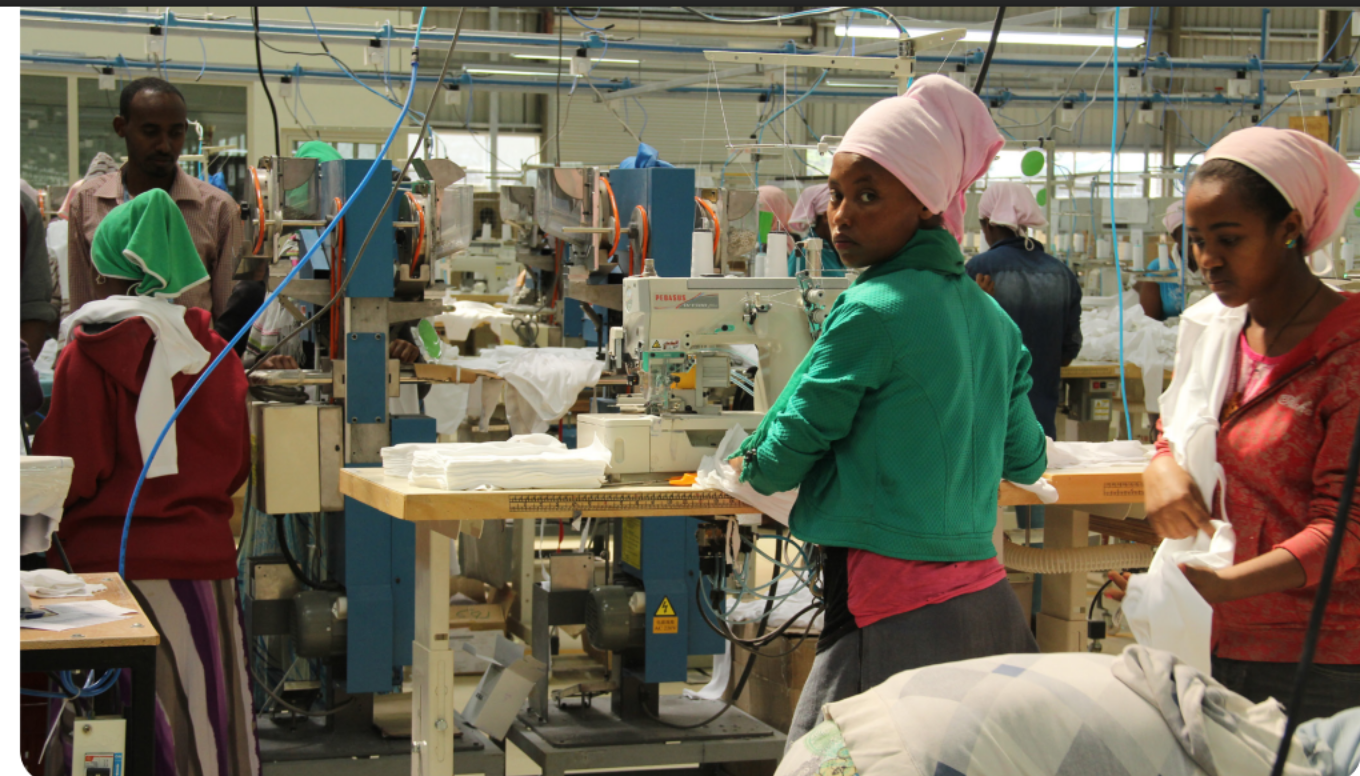
One of the most significant outcomes of this industrial push has been the large-scale employment of women. By 2020, industrial parks had created around 100,000 jobs, with approximately 70–75% of these positions filled by young women. Many of these workers had no prior experience in formal employment, making factory work their first opportunity to earn a stable wage.
However, the reality within these industries reveals important challenges. Despite the availability of jobs, many women do not remain in factory work for long. High turnover rates are common, driven by low wages, demanding working conditions, and limited opportunities for advancement. In places like Bole Lemi, workers have reported leaving their jobs due to health concerns and the difficulty of sustaining urban living on factory salaries.
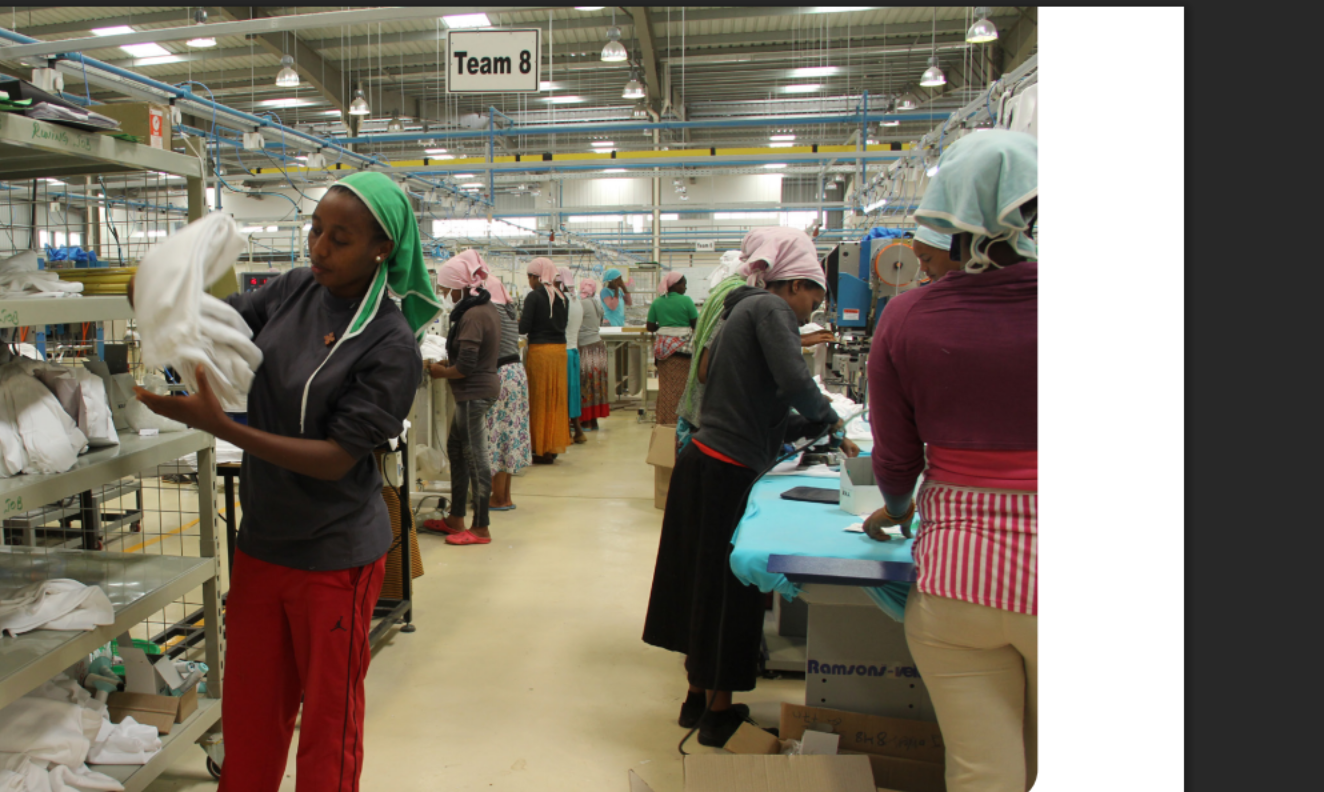
These challenges highlight a critical gap between access and sustainability. While Ethiopia has successfully created opportunities for women to enter the workforce, it has struggled to ensure that these jobs translate into long-term economic security and empowerment.
At the same time, the opportunity is still significant. Ethiopia possesses several advantages, including a young labor force, relatively low labor costs, and access to raw materials such as cotton.
5. Adaptation Strategies: Building a Sustainable Industrial Path
The experiences of countries such as Bangladesh and Vietnam show that textile manufacturing is most effective not as a permanent endpoint, but as an entry point into broader industrial development. For Ethiopia, the challenge is therefore not simply to expand textile production, but to allow early industrial growth to evolve into more diverse and higher-value sectors over time.
It is true that one of the main reasons industries and foreign investors are drawn to countries like Ethiopia is the availability of low-cost labor. That reality cannot be ignored. But low wages should not mean unfair wages. At the very least, women must be paid equally for the same work as men. Equal pay is not only a matter of fairness, it can also improve motivation, and productivity.
One of the biggest limitations of low-skill industrial work is that it can become a dead end if workers remain in the same roles without opportunities to advance. Long-term success requires investment in skills development. One of the major lessons from Asian industrial growth is that initial low-skill manufacturing jobs can gradually evolve into higher-skilled opportunities when workers are given access to training and education.
Ethiopia’s industrial strategy must therefore include structured pathways for upskilling, enabling workers to transition from basic factory roles into supervisory, technical, and eventually specialized positions. This is especially important in the context of automation and technological change, which may reduce demand for low-skill labor over time.
Finally, and most importantly, women often carry an unequal share of unpaid household responsibilities, limiting their ability to rest, save, or invest in personal development. In such cases, employment risks becoming an extension of existing burdens rather than a path out of them. Without social protections such as childcare support, fair pay enforcement, and anti-discrimination policies, their participation in the workforce can reinforce existing inequalities rather than reduce them.
6. Impact on Women’s Development: From Income to Structural Change
At the heart of this discussion is a deeper question: how does economic change translate into real freedom for women? In contexts such as Ethiopia, the answer is not simply about whether women earn income, but whether that income is stable, meaningful, and capable of shifting long-standing power relations within households and society.
A regular wage, even if modest, allows planning. It means rent can be paid on time, food is more secure, and small savings become possible. Over time, this stability creates space for bigger decisions such as continuing education, supporting siblings, or delaying marriage.
Importantly, the effects of industrial employment extend beyond individual households. As more women enter formal work, broader social norms begin to shift. Education becomes more valued, early marriage rates can decline, and women’s participation in public and economic life increases. These changes are gradual, but they accumulate over time, reshaping how society views women’s roles.
In the end, women’s progress cannot come from small, scattered support alone. Women need to enter systems that help them not just earn money, but move forward in life. If Ethiopia wants to stop this cycle of fragile progress and setback, it must do more than help women survive.